



SUNY Oswego is expanding access and affordability for military-connected students as part of the first wave of campuses participating in SUNY’s tuition gap coverage pilot program.
The initiative eliminates remaining tuition costs not covered by military education benefits, further reducing financial barriers for active-duty service members, veterans and their families. This effort reflects a growing focus across higher education on improving access and affordability for military-affiliated learners.
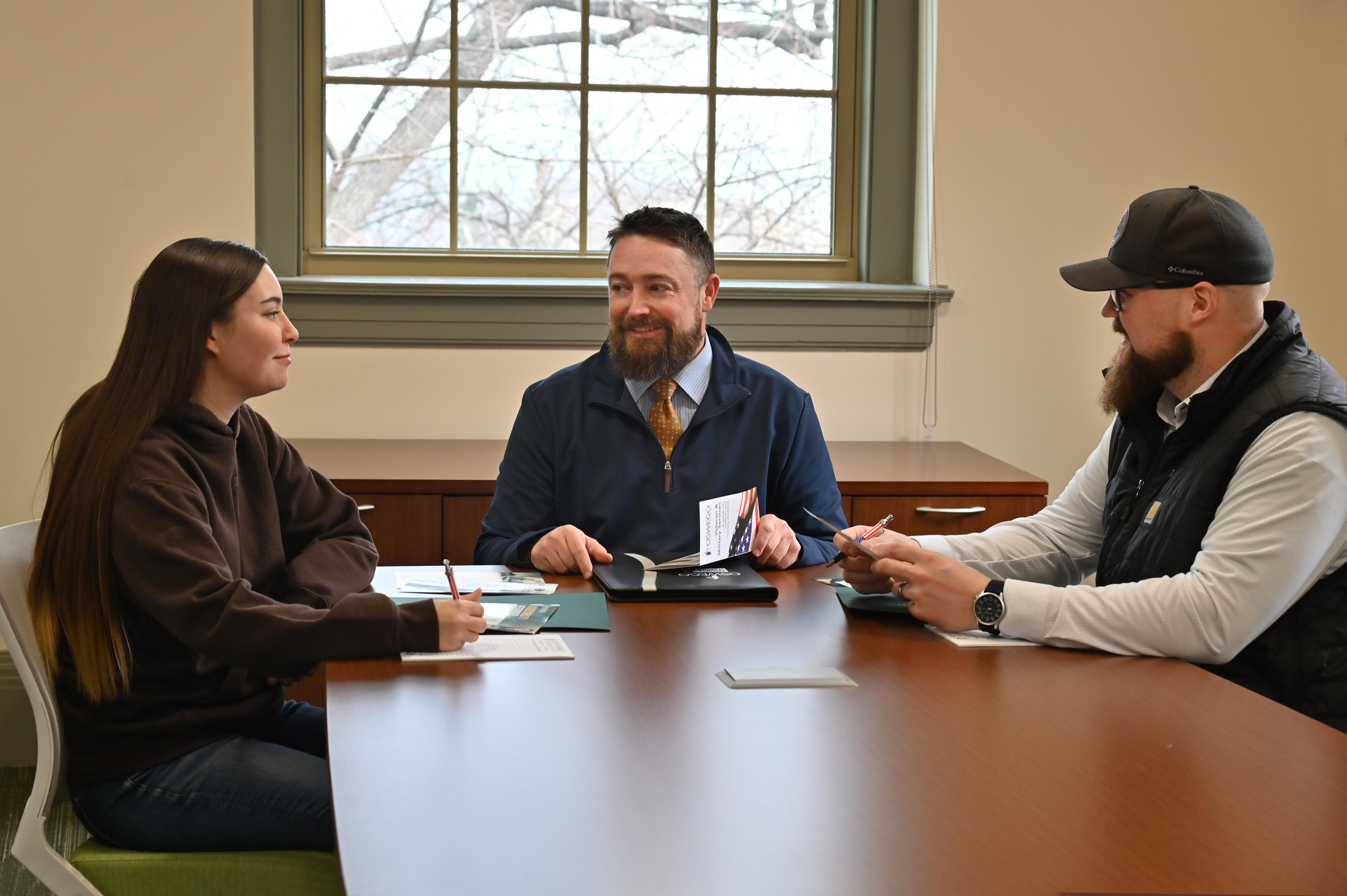
For SUNY Oswego, the pilot formalizes and enhances efforts that have already been in place. “We have been covering the tuition gap for our military students for several years,” said Ken Cisson ’15, MBA’24, veteran and military coordinator and a university alumnus. “This SUNY initiative ensures campuses are supported in continuing that work while expanding access for those who serve.”
The program is expected to benefit a significant portion of Oswego’s military-connected population, which includes approximately 125 veterans, National Guard and Reserve members, and more than 300 military dependents and spouses. By covering the remaining balance after federal benefits such as the GI Bill or Yellow Ribbon Program are applied, the initiative helps ensure eligible students can pursue their education with little to no out-of-pocket tuition.
“This SUNY initiative ensures campuses are supported in continuing that work while expanding access for those who serve.” – Ken Cisson, veteran and military coordinator
Removing financial barriers
The tuition gap coverage pilot addresses a critical financial hurdle for military students, allowing them to focus more fully on their academic goals.
Sarah Wehrle, student advisor and prior learning assessment coordinator in Extended Learning, emphasized the impact of financial clarity on student success. “Removing a financial burden releases one stress and allows students to focus more on their schoolwork. Financial wellness is a major component of student success, especially for adult learners balancing work, family and education.”
In addition to tuition support, SUNY Oswego continues to explore scholarship opportunities to help cover books and fees, further reducing the overall cost of attendance for military-connected students — including potential institutional and donor-supported funding opportunities. The initiative also supports adult learners and working professionals by reducing financial barriers while allowing them to pursue their education alongside other responsibilities.
“Removing a financial burden releases one stress and allows students to focus more on their schoolwork. Financial wellness is a major component of student success, especially for adult learners balancing work, family and education.” – Sarah Wehrle, student advisor
Streamlining the academic journey
Beyond financial support, SUNY Oswego is enhancing pathways that help military students transition efficiently into academic programs. A key component of this effort is the university’s commitment to Prior Learning Assessment (PLA), which evaluates military training and experience for academic credit.
“We work closely with faculty and academic departments to ensure military training is appropriately recognized,” Wehrle explained. “Students who apply prior learning credit are significantly more likely to complete their degrees, and this process helps them build on the knowledge they already bring to the classroom.”
SUNY Oswego is also collaborating with the Department of Defense’s Medical Education and Training Campus (METC) to develop structured pathways into degree programs such as integrative professional studies, human development, and health promotion and wellness. These pathways translate military medical training into academic credit, enabling students to accelerate their progress toward degree completion while preparing for civilian careers in high-demand health and human services fields.
A longstanding commitment to service members
SUNY Oswego’s support for military-connected students is rooted in decades of partnership with Fort Drum, dating back to the post’s expansion in 1985. While the university no longer maintains a physical presence on the base, it continues to serve military learners through flexible programming and strong institutional partnerships.
“Our relationship with Fort Drum reflects SUNY Oswego’s enduring commitment to providing accessible education for those who serve,” Cisson said. “We’ve built a system of support that meets students where they are and helps them succeed.”
Central to that support system is the Battle Buddy Center, a dedicated space designed to create community, foster connection and support academic success for veteran and military-connected students.
The center provides a welcoming environment where students can study, collaborate and access resources tailored to their unique needs.
“The transition from military service to academic life can be challenging,” Cisson added. “The Battle Buddy Center helps students maintain a sense of camaraderie and belonging, which plays a key role in retention and overall success.”
Supporting those who serve
Through initiatives such as the tuition gap coverage pilot, prior learning credit enhancements, METC partnerships and comprehensive advising support, SUNY Oswego continues to expand opportunities for military-connected students to achieve their educational and career goals.
“As a veteran and an Oswego graduate, I’ve seen firsthand the impact of these programs,” Cisson said. “SUNY Oswego is committed to ensuring that those who have served our country have the resources, support and opportunities they need to succeed.”
For prospective military students and their families, SUNY Oswego remains dedicated to removing barriers, recognizing experience and building pathways that empower military-connected learners to thrive. Through these efforts, the university continues to position itself as a leader in supporting military-connected learners through access, flexibility and recognition of prior experience.
Prospective military-connected students and their families can learn more about available resources and support services by visiting oswego.edu/veterans or connecting with the university’s veteran and military services team.
– Written by Cristina Kaplan ’26, integrative professional studies online